

Livestreamed from the Church of the Transfiguration, Orleans, MA
Saturday, August 5th, 7:30 PM
Canzona per Sonare No. 2, Giovanni Gabrieli, ed. Robert King
Two Psalms, H. 117, Gustav Holst
Psalm LXXXVI
Psalm CXLVII
Exsultate, jubilate K.165, W. A. Mozart
Alleluia
Enigma Variations, Op.36, Edward Elgar
IX. Nimrod
The King of Love My Shepherd Is, Dan Forrest
All Things Bright and Beautiful, John Rutter
For the Beauty of the Earth, John Rutter
O Praise the Lord of Heaven, John Rutter
INTERMISSION
Song of Hope, Peter Meechan
Jared Wallis, Douglas Prosser, and Paul Tingley, trumpets
Benedictus from “The Armed Man: A Mass for Peace”, Karl Jenkins, arr. Tony Small
Ben David Aronson, euphonium
Gloria, John Rutter
I. Gloria in excelsis Deo
II. Domine Deus
III. Quoniam tu solus sanctus
Our musical celebration of the Feast of the Transfiguration begins fittingly with the regal sounds of brass. Giovanni Gabrieli began his musical studies with his uncle Andrea Gabrieli, and later served in Munich (1575–79) under Orlando di Lasso. In 1585, he succeeded his uncle as the second organist of St. Mark’s Basilica in Venice, a post he held for the rest of his life. First published in 1608, No. 2 is one of four canzona per sonare that begin a collection of thirty-six canzonas by Gabrieli. This landmark work is often said to have laid a path for what would soon become the new Baroque concerto style, which remains popular to this day.
Many music lovers will recognize the name of English composer and teacher Gustav Holst for his widely known suite for orchestra, The Planets. However, Holst considered himself to be primarily a choral composer, and tonight we hear a wonderful example in his Two Psalms for chorus, string orchestra, and organ. Composed in 1912, this work was first performed during a music festival at a football stadium in London by a choir of 800 singers and 130 instrumentalists, under the direction of Holst himself. Both psalms use familiar hymn melodies, enhanced and brought to new life in Holst’s clear, expansive, and simple style.
Psalm 86 intersperses choral and instrumental settings of a sixteenth-century hymn, with chant like commentary by tenor and soprano soloists. With this setting Holst evokes a deep sense of supplication, as the humble penitents come in their great need before God, the “Heavenly Tutor,” with expectant hope. In response, Psalm 148 is a robust hymn of praise and thanksgiving for God, the Creator and Lord of the universe, who powerfully supplies for all the needs of the world. Each verse grows in strength and intensity, with a final “Alleluia” of exuberant joy.
This glittering motet was composed by Mozart at age seventeen, following an extended trip to Milan. Inspired by the bright, cheerful style and florid ornaments of Italian arias of the time, the piece is among his earliest and most beloved enduring works. Tonight you will hear the final of three movements, the Alleluia—always popular as a stand-alone work— a dazzling virtuosic vocal “tour de force,” perfectly capturing ebullient joy.
It comes as no surprise that Elgar’s “Nimrod” has become and remains one of the most famous and beloved works in all of the orchestral repertoire, and not just for its sheer coloristic and harmonic beauty, but also for its intent. Each of the 14 variations on an original theme is both a description of and a tribute to “my friends pictured within.” Elgar gave tonight’s variation the name of “Nimrod”—the famous Biblical hunter as a play on the name of Augustus J. Jaeger, his dear friend, confidant, and publisher, whose last name means “hunter” in German. Such an expression of great trust and love is immediately perceived in each note of this piece!
Pianist, composer, and educator Dan Forrest is a highly acclaimed composer, most famous for his stunning choral works, and known for possessing “an undoubted gift for writing beautiful music…that is truly magical” (NY Concert Review). Dr. Forrest had a passion for music right from the beginning, playing piano for his church in 6th grade, and winning a number of awards in high school. He later received degrees from Bob Jones University, and a DMA in composition from the University of Kansas. Among his various accolades is a John Ness Beck Foundation Prize in 2004 for his rendition of The King of Love My Shepherd Is. A good hymn arrangement is one that allows the listener to hear something familiar in an unfamiliar way—exactly what this work does. Dan Forrest was able to refresh the beloved hymn in such a way as to revitalize the well-known text without sacrificing its integrity and simplicity.
Featured and beloved composer John Rutter was born in London in 1945, and studied music at Clare College, Cambridge. His compositions embrace choral, orchestral, and instrumental music. In 1981 Rutter formed his own choir, the Cambridge Singers, as a professional chamber choir primarily dedicated to recording, and the group continues to produce high-quality choral recordings to this day.
All Things Bright and Beautiful, perhaps one of the most well-loved hymn texts of all time, is a children’s hymn written by Cecil Francis Alexander in 1848. In Rutter’s popular setting, a gentle orchestral accompaniment, featuring woodwinds, strings and harp, creating a backdrop for the vivid imagery in the poetry. Celebrating the wonder of God’s creation, the choral melody sparkles with whimsical lightness, giving momentum and joy to each verse. From purple-headed mountains, to rivers, cold winds, and summer sun, every stanza celebrates the world around us with gratitude. For eyes to see such awesome beauty, and lips to proclaim God’s greatness, we join in praise to God Almighty, who has indeed made all things well.
John Rutter’s adaptation of For the Beauty of the Earth beautifully captures the simple joy that writer F. S. Pierpoint experienced in the countryside around Bath, England, where he was a schoolmaster. Pierpoint was a devout Tractarian: a follower of the Oxford movement that sought to beautify Anglican worship and restore pre Reformation rites in the Church of England. Rutter’s running eighth-note accompaniment carries the text like a bubbling brook—one that Pierpoint might have found on his own forays into nature.
With O Praise the Lord of Heaven, Rutter gives Psalm 148 a joyous setting for double choir and brass. The double-choir texture highlights the universal command for all of creation to praise the Lord, coming together for the glorious final statement. Rutter had what he called a “lifelong love of the psalms,” which was reflected in this piece that he wrote for the Westminster Choir College in 1980.
This contemporary composition takes listeners on a captivating journey through contrasting emotions, ultimately arriving at a place of optimism and hope. The work was written for American trumpeter Ryan Anthony and his foundation to raise awareness and funds for cancer research. Sadly, Ryan succumbed to the disease at a very young age. In this piece, Meechan masterfully weaves together a tapestry of musical colors and textures to convey a profound message of hope and human resilience.
Meechan opens with a somber and introspective theme, representing the challenges and uncertainties that life often presents. As the music progresses, the tension builds, mirroring the struggles and obstacles that individuals and communities face. The brass ensemble’s rich sonorities and the intricate interplay of themes create a sense of unity and shared experience, reminding us that we are not alone in our struggles. Amidst the darkness, a radiant and uplifting melody emerges, symbolizing the strength and hope that can be found even in the bleakest of times. The music soars with optimism, reflecting the triumph of the human spirit over adversity. Song of Hope reaches its climactic moment as the brass ensemble unleashes a powerful and resolute finale, perhaps even a glimpse into what St. Paul said to the Romans: “May the God of hope fill you with all joy and peace in believing, so that by the power of the Holy Spirit, you may abound in hope.”
Welsh composer Karl Jenkins’ profound and deeply moving work reflects on the horrors of war and the longing for lasting peace. Written in 1999 to commemorate the new millennium, it is similar in concept to the War Requiem by Benjamin Britten. The theme of the mass centers on the reality that “the armed man must be feared,” while also paying tribute to all the parody masses of the secular Renaissance tune L’homme armé. But Jenkins makes clear that this ancient theme is completely appropriate to our twenty-first-century events and complications surrounding war and peace. In this special presentation, the Benedictus is reimagined through a captivating brass arrangement, allowing the noble and majestic qualities of the instruments to breathe new life into this already poignant piece. The warm, resonant tones of the brass section bring a sense of solemnity and reverence, underscoring the Mass’s overarching message of unity and peace.
Finally, we return to the work of John Rutter and close tonight’s concert with the brilliant Gloria, which is frequently performed around the world, and has been widely recorded. Rutter credits three twentieth-century composers with strongly influencing his work—Francis Poulenc, Igor Stravinsky, and William Walton— and also notes the influence of Gregorian chant. Reviewers have ascribed these hallmarks to his compositions: a dedication to bringing out the meaning of the text, exquisitely balanced vocal writing, and beautiful harmonies. It has been said that the lasting success of Rutter’s music lies in the fact that he writes music that people want to perform and to hear, and that it is interesting and challenging for performers.
The Gloria text comes from the second part of the Latin Order of the Mass. Rutter structured it in three movements, following the fast-slow-fast scheme typical of concertos:
1. Allegro vivace – “Gloria in excelsis Deo”
2. Andante – “Domine Deus”
3. Vivace e ritmico – “Quoniam tu solus sanctus”
The composer scored Gloria for choir, brass, percussion, and organ, and he set the typically liturgical text as a concert piece, where it has achieved great renown. Rutter describes the movements as “exalted, devotional, and jubilant.” In the Gloria, the voices of brass, percussion, and organ beautifully and effectively help to support and compel each movement: regal, majestic, fanfare-like, and flashing in movement one, softening with a warm, introspective sound in the more intimate middle movement with its references to Christ and his mercy, and enlivening to brilliance again in the third and final movement with its jubilant, dance-like outbursts of glory—a true vision of the glory and revelation of Christ’s Transfiguration.
Upcoming Events
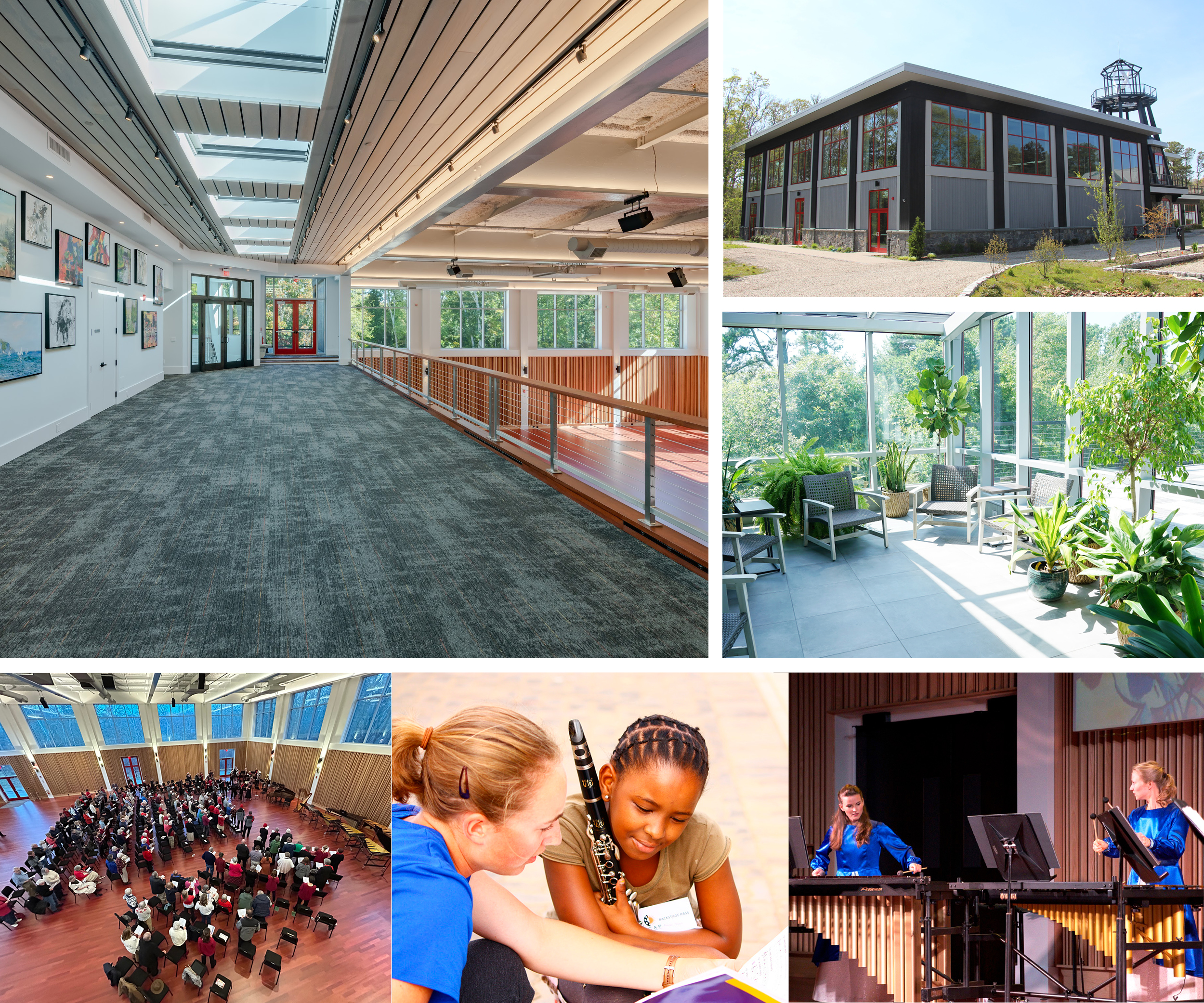
Performing Arts Building Grand Opening Celebration
Saturday, August 12, 2:00 PM
95 Southern Eagle Cartway, Brewster, MA
Lovers of the Arts, young and old… join us in celebrating the Grand Opening of a new, green, innovative Performing Arts Building on the Lower cape! The celebration, hosted by Arts Empowering Life, will begin with an inaugural ribbon cutting, followed by exhibits about the building, a festive reception, and tours of this new community space.
Free Admission for ALL!
Built during the world-wide pandemic, this structure is a fulfillment of a vision for the arts which will last for generations to come. Inspired by the four elements: earth, wind, fire, and water, the building was designed to foster creativity, inspiration, and exploration for artists young and old. The building will be a place to break molds, pursue excellence in the Arts, and forge new paths, tearing down societal isolation and promoting healing, restoration, and wholesome human connections both now and for generations to come. Be a part of the celebration!
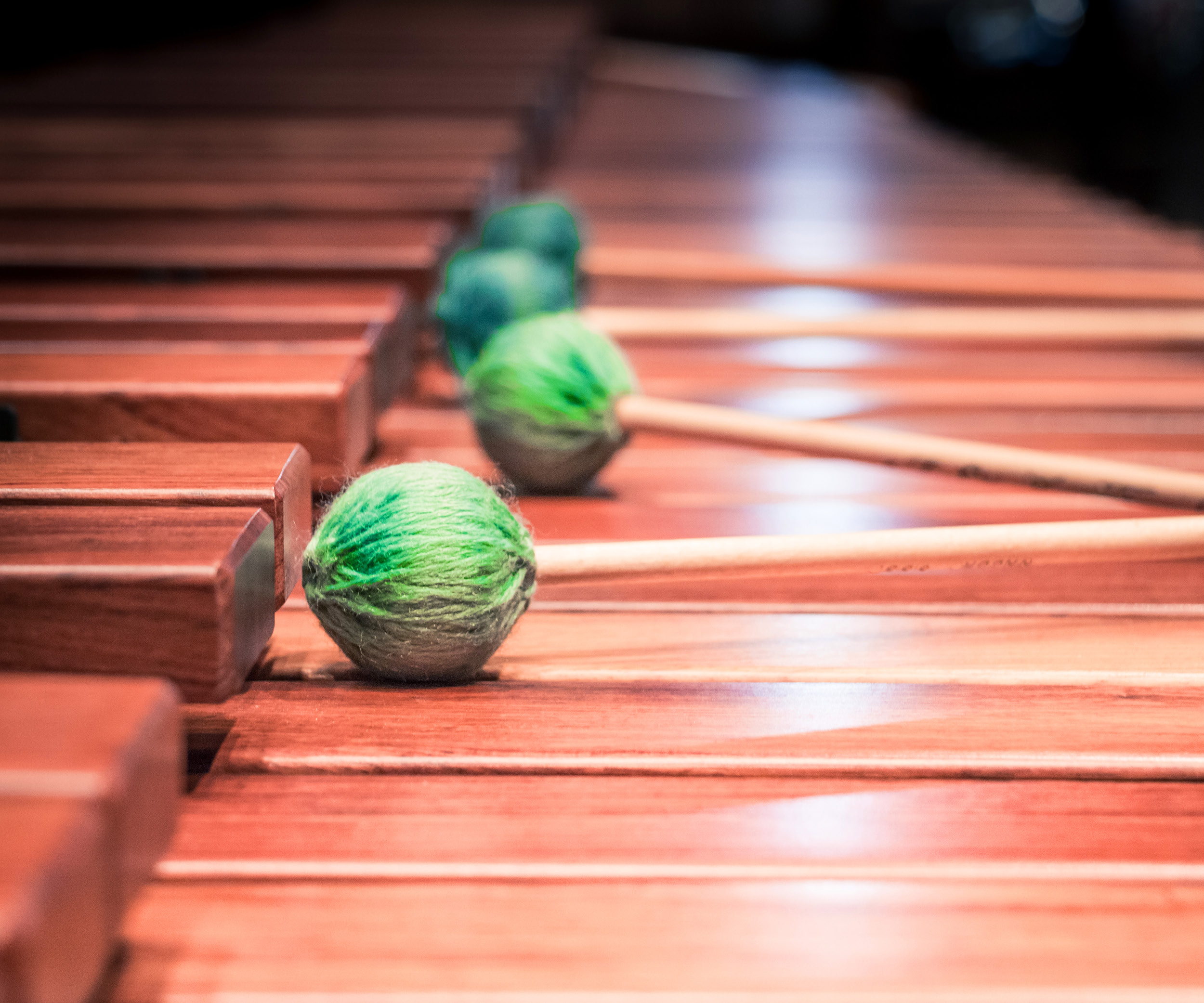
CHARA PERCUSSION ENSEMBLE IN CONCERT
August 19, 2023, 7:30 PM
Performing Arts Building
Brewster, MA
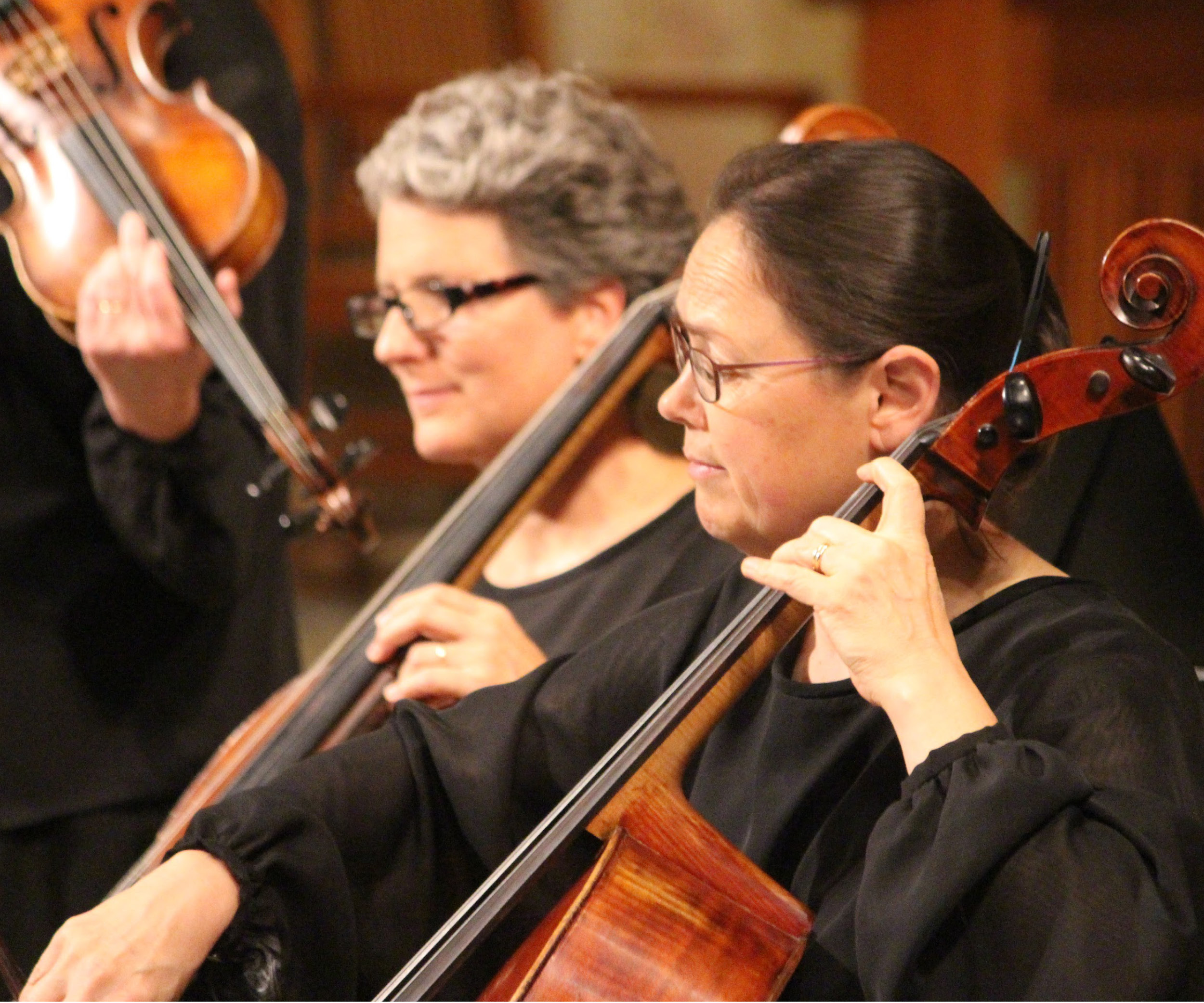
GAUDETE BAROQUE ENSEMBLE IN CONCERT: BAROQUE DANCE
August 27, 2023, 3:30 PM
Performing Arts Building
Brewster, MA