
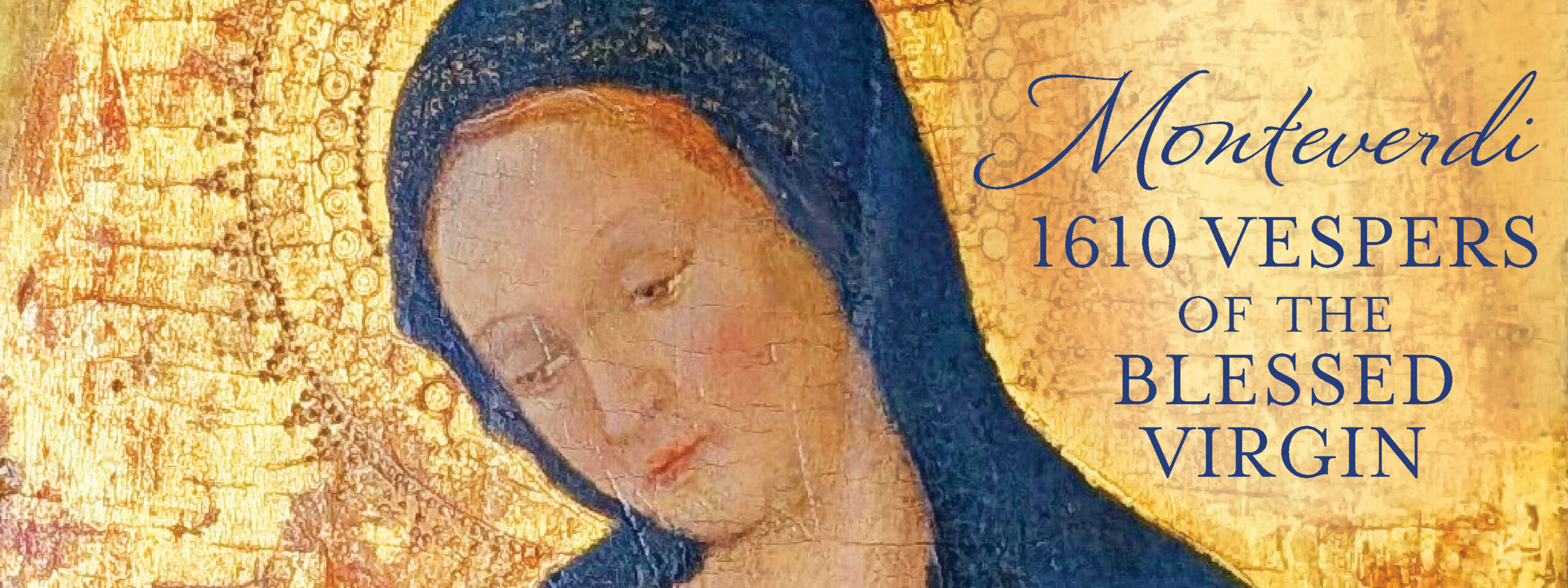
Monteverdi’s 1610 Vespers of the Blessed Virgin
August 14, 2026, 7:30 PM
August 15, 2026, 3:30 PM
Church of the Transfiguration
Orleans, MA
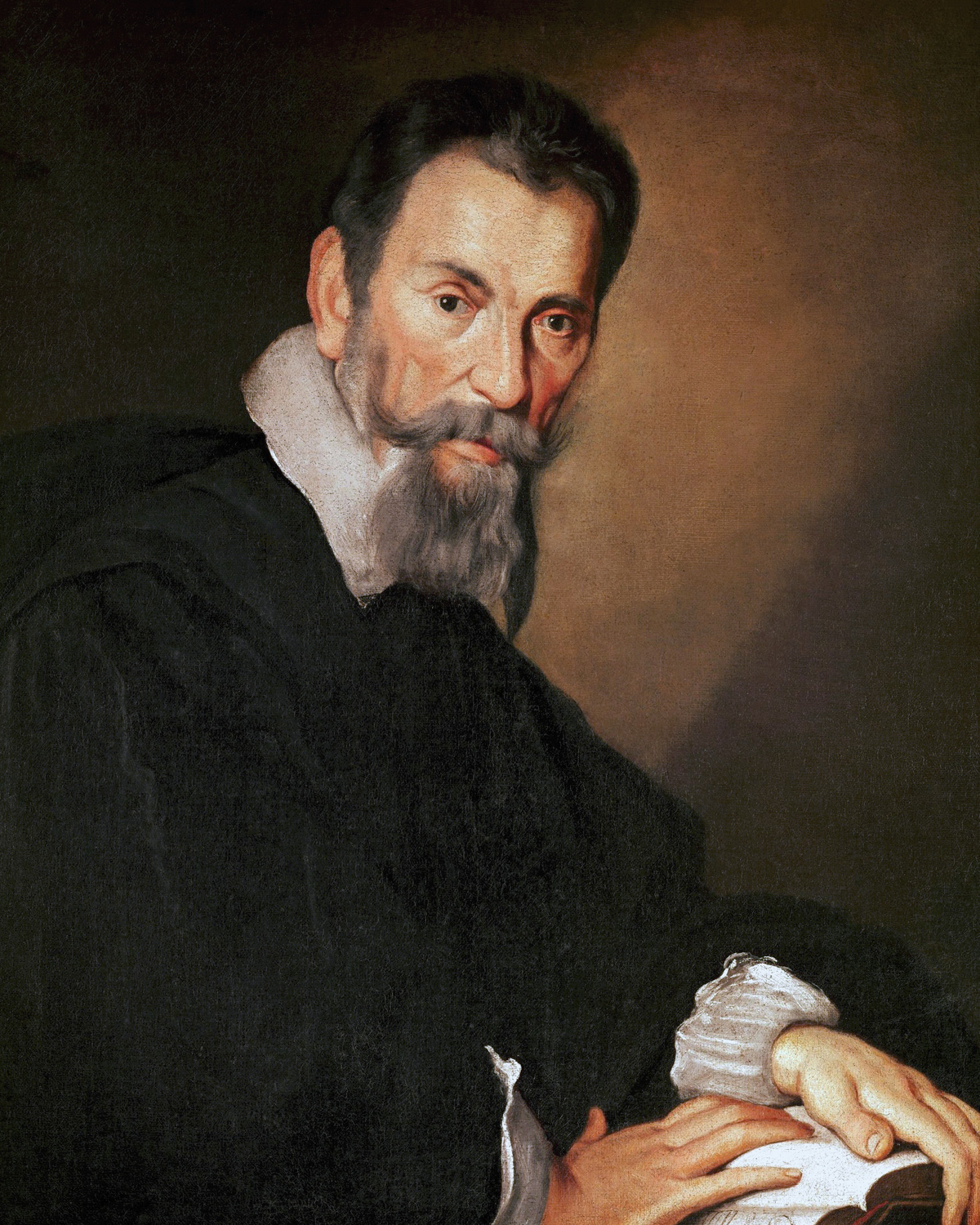
Italian composer CLAUDIO MONTEVERDI (1567-1643) wrote the magnificent 1610 Vespers displaying a genius which defined the beginning of the Baroque period—preserving old-style church music (Gregorian chant) while at the same time modernizing it with daring echo effects, inventive virtuosity, and unprecedented grandeur. The effect—then and now—is prayerful, exultant, dazzling, and timeless.
Experience this powerful work scored for solo singers, chorus, and period instruments including recorders, cornetti, theorbo, sackbuts, chamber organ, and viola da gamba, performed in the stunning acoustic of the Church of the Transfiguration.
Written for Marian holy days, these performances coincide with the Feast of the Assumption (August 15), traditionally associated in coastal towns, like Orleans, with the blessing of the sea and prayers for intercession. The work includes the ancient hymn Ave Maris stella—referencing Mary’s title Star of the Sea.
$45 General; $40 Seniors; Free for Students & Youth
Ask about Group Rates (6+) and “Create your own Season” ticket package!
Call 508-240-2400, or purchase below
Tickets August 15, 2026
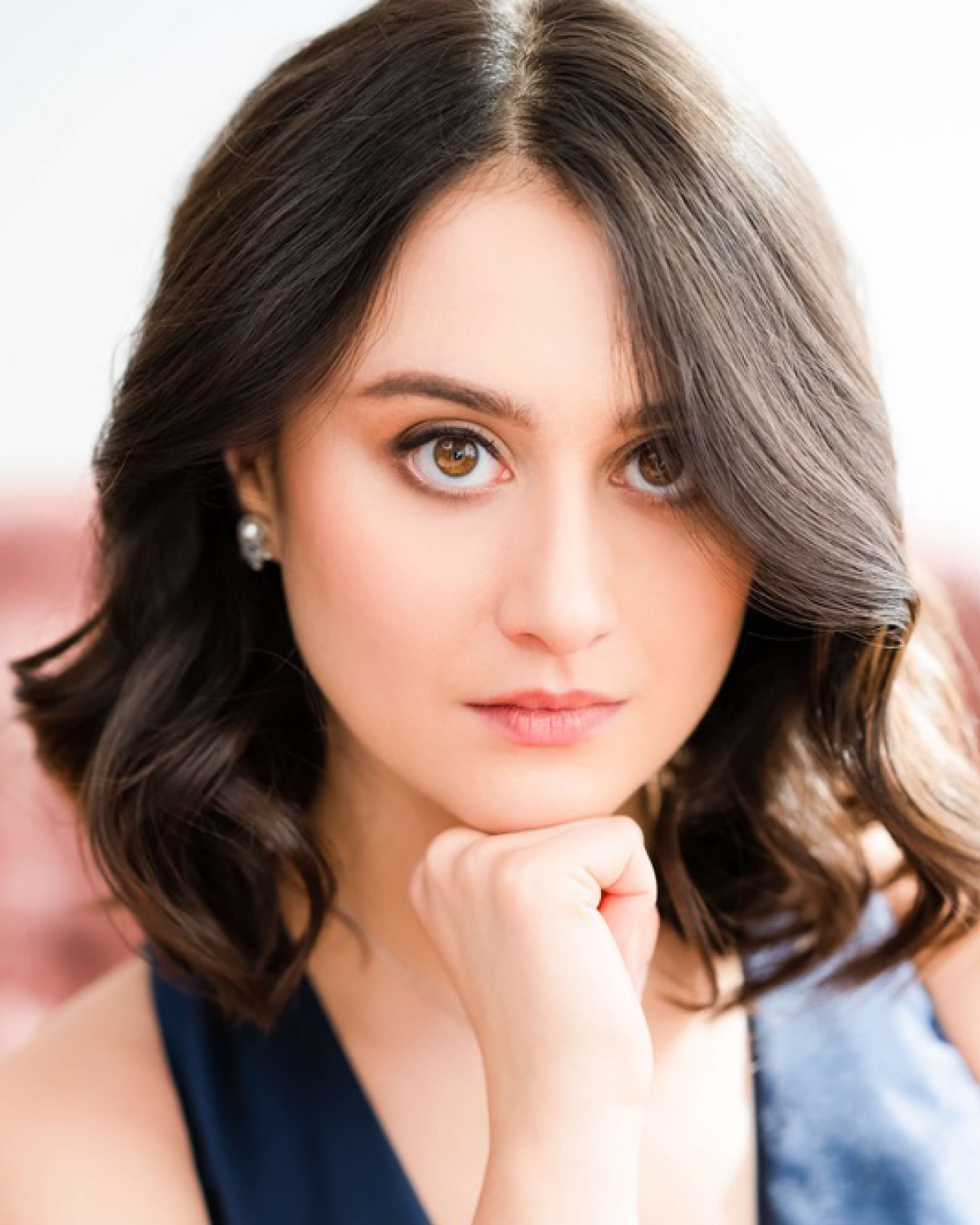
Andréa Walker, soprano
Andréa Walker, soprano is hailed as “luminous” and (Washington Classical Review) and “a force to be reckoned with” (Seen and Heard International). Dedicated to heartfelt and dramatic historically informed performance, she sings across the country with ensembles including GRAMMY® Award-winning orchestra Apollo’s Fire, Atlanta Baroque Orchestra, Pegasus Early Music, NYS Baroque, Harmonia Stellarum Houston, and Ars Lyrica. As a recitalist, she has performed alongside keyboardist Mikhail Grazhdanov (Duo CPE) at the Early Music Seattle Beyond Baroque festival, Cornell Center for Historical Keyboards, Boston Early Music Festival, and Early Music America Summit. Other recent solo engagements include her Lincoln Center debut in Telemann’s Der Tag des Gerichts with Masaaki Suzuki/Juilliard415 and the 2025 Carmel Bach Festival where she was a Virginia Best Adams vocal fellow. Andréa received a DMA in historical performance practice at Case Western Reserve University where she took scholarly interest in German salon culture c. 1800 and Baroque gesture in sacred drama. She also holds degrees from the Yale Institute of Sacred Music and University of Houston.
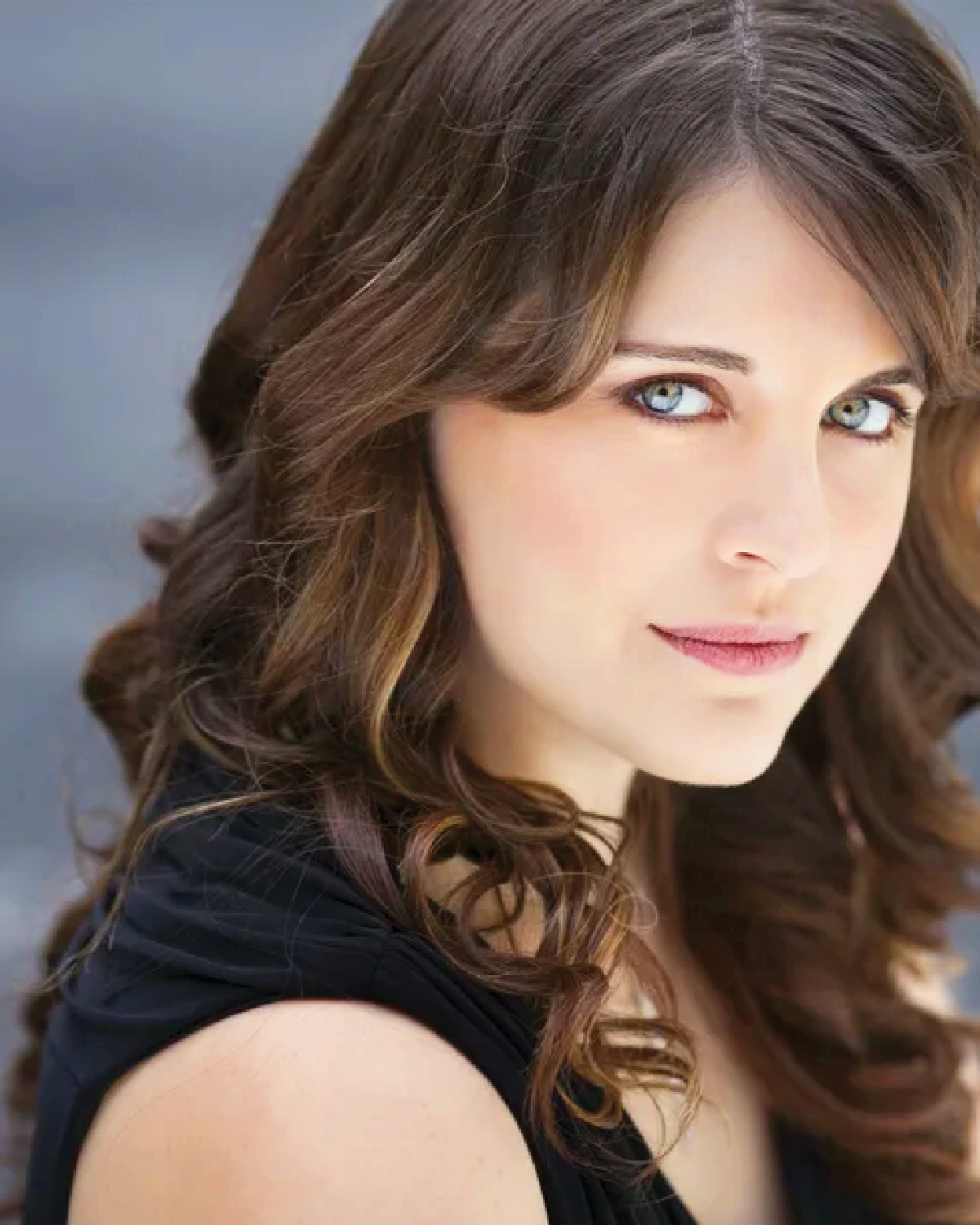
Katelyn Grace Jackson, soprano
Katelyn Grace Jackson grew up in Berks County, Pennsylvania and has spent much of her singing career in Washington, D.C. She grew up singing in the Berks Youth Chorus, taking piano and dance lessons, listening to Rachmaninoff, Howard Hansen and Samuel Barber, and attending countless church picnics to hear her mother play the flute with Ringgold Band. This early exposure to music led to a professional career as a soloist and chamber musician propelled by a desire to connect and communicate with other musicians and audience members alike.
Learn More
She currently resides in the Lehigh Valley, Pennsylvania with her husband Christopher and their cats, Echo and Nyx (Bear).
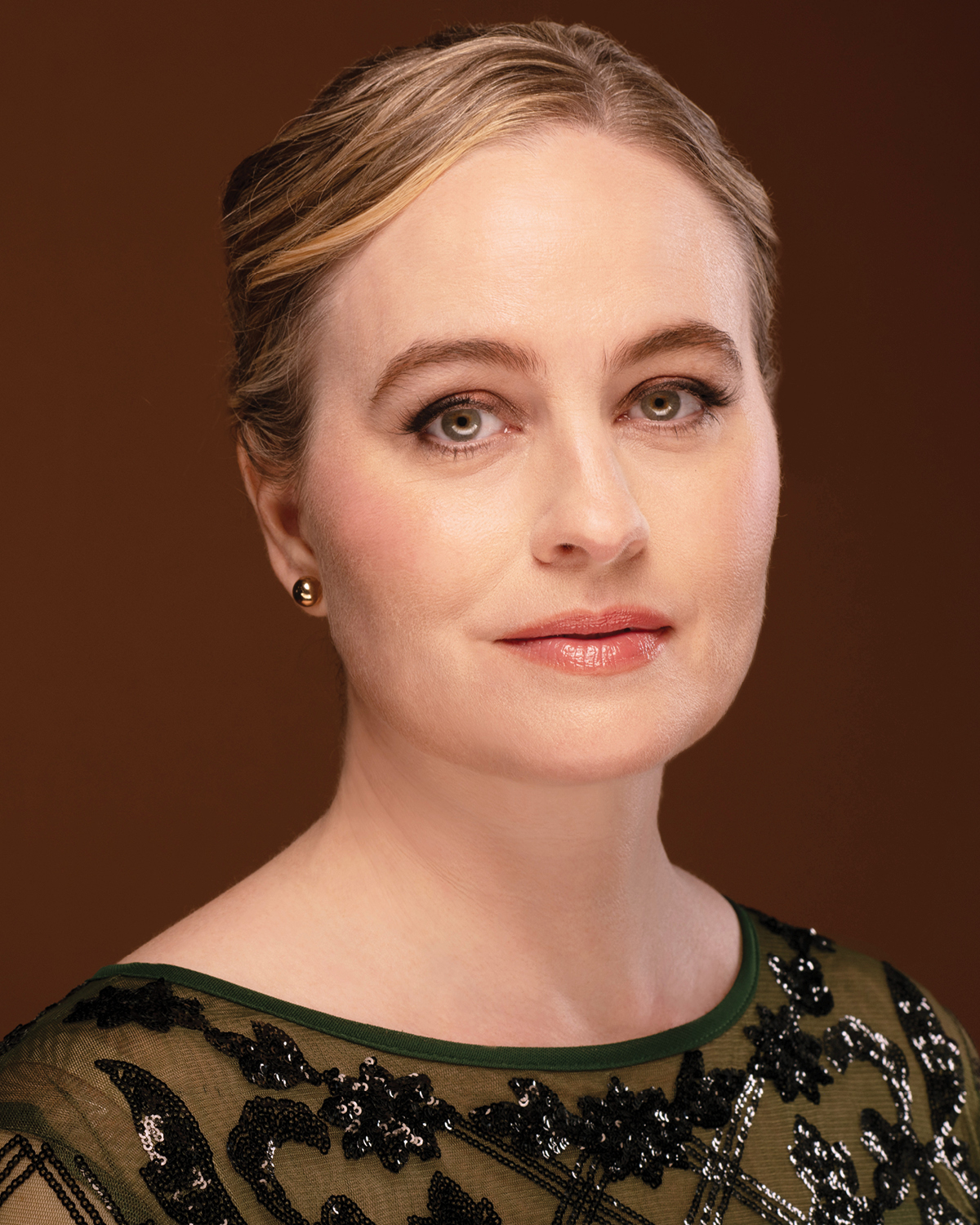
Kristen Dubenion-Smith, mezzo-soprano
Recognized for her “velvety legato and embracing warmth of sound” (Washington Classical Review) and “lyric-mezzo of uncommon beauty” (The Washington Post,) mezzo soprano Kristen Dubenion-Smith enjoys an active performing career in oratorio and sacred vocal chamber music, specializing in music of the medieval, renaissance and baroque eras.
As a concert soloist, Kristen has earned recognition for her performances of the works of the high baroque, especially Bach and Handel. Highlights from recent seasons include Bach’s St. Matthew Passion with the Washington National Cathedral Baroque Orchestra, Handel’s Messiah with the Tallahassee Symphony Orchestra, Bach’s Christmas Oratorio with The Washington Bach Consort, and Pergolesi’s Stabat Mater with TENET.
Learn More
2025-2026 season highlights include Bach’s Mass in B Minor with the Washington Bach Consort, Buxtehude’s Membra Jesu Nostri with Variant 6, Lang’s Little Match Girl Passion with Bridge Voices, and Handel’s Messiah with the Tallahassee Symphony Orchestra. Ms. Dubenion-Smith will also be making her debut with Aeternum in May 2026.
Originally from Michigan, Ms. Dubenion-Smith attended Alma College (Bachelor of Music) before moving to Maryland to complete her studies at The Peabody Conservatory of Music (Master of Music) in Baltimore.
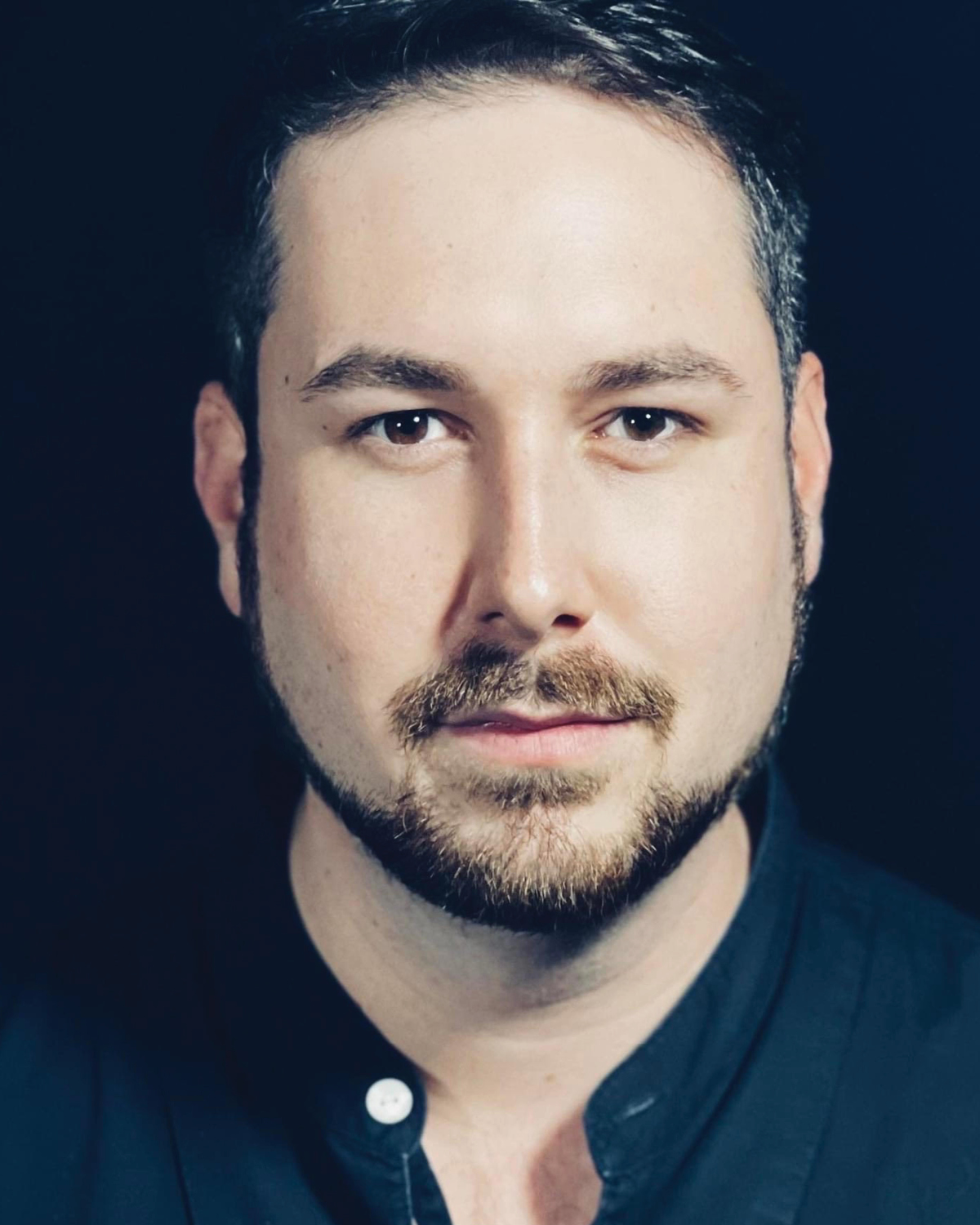
Nicholas Garza, counter-tenor
Characterized by The Dallas Morning News as a “countertenor full and fluent, glowing on top, dispensed with the loveliest legato,” Nicholas Garza has been hailed for intimate, engaging performances across the United States, Mexico, and Canada.
An early music specialist, Garza has performed with ensembles including Ars Lyrica Houston, the Chicago Arts Orchestra, ensemble viii, Bach Akademie Charlotte, Spire Chamber Ensemble, Choral Arts Philadelphia, Philharmonie Austin, The Oklahoma Bach Choir and Soloists, Musica Angelica, Pegasus Early Music, New York State Baroque, La Folia, Austin Baroque Orchestra, Tactus, and Mountainside Baroque.
Learn More
Garza has sung roles including the Sorceress in Purcell’s Dido and Aeneas, Ruggiero in Handel’s Alcina, Cortez in Vivaldi’s Montezuma, and Rinaldo in Handel’s Rinaldo, Dardano in Handel’s Amadigi di Gaula, among others. He also appears regularly with the Dallas Bach Society, Orchestra of New Spain, Orpheus Chamber Singers, and incarnatus
Nicholas also serves as founding Artistic Director of Ensemble Iona based in Fort Worth, Texas.
A Harlingen, Texas native, Garza studied at the University of Texas at Arlington under Jing Ling-Tam and David Grogan.
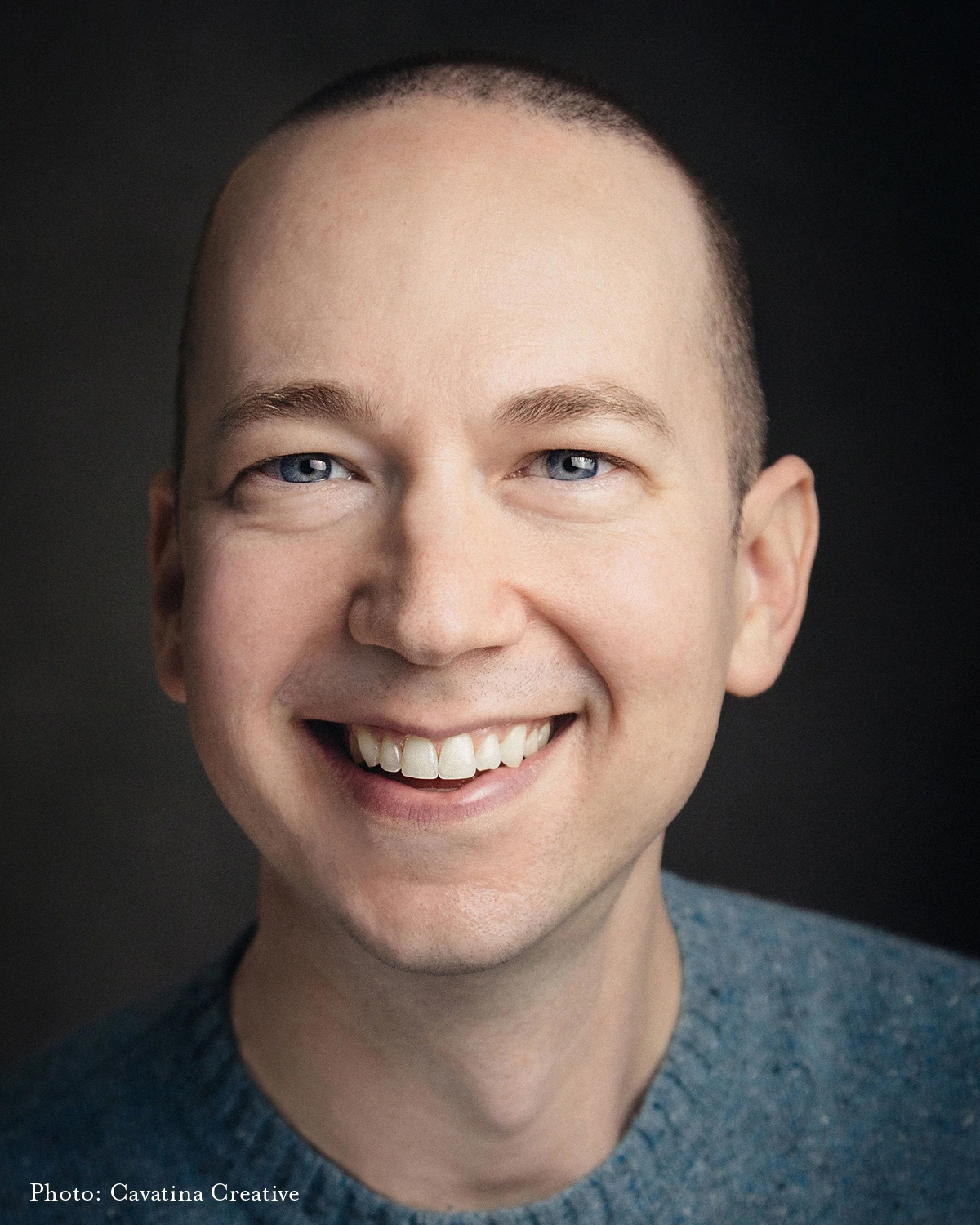
Andrew Fuchs, tenor
For NYC-based tenor Andrew Fuchs, music is a means of deep connection to his fellow musicians, audiences, and a lineage stretching from the ancient to the avant-garde. He has shaped a career around the collaborative nature of music-making, working primarily in early and new music as both a soloist and ensemble singer.
Since 2020, Andrew has been a member of the twice GRAMMY-nominated quartet New York Polyphony, performing at major festivals and concert series worldwide. He is a familiar voice in NYC’s vocal arts community as a member of the Trinity Choir and frequent guest with the city’s leading historical performance ensembles including ARTEK, TENET, and Clarion, while also performing with preeminent groups across the US such as Pegasus Early Music, Seraphic Fire, and the Carmel Bach Festival.
Equally passionate about contemporary repertoire, Andrew has performed substantial works by Reich and Stockhausen with Ensemble Signal and Ekmeles, and has premiered song cycles by Alexander Goehr for Juilliard’s Focus Festival and Juliana Hall with Lyric Fest. Additional collaborations include the Mark Morris Dance Group, Momenta Quartet, and Brooklyn Art Song Society. A two-time Tanglewood fellow, he holds degrees from the University of Kansas and Stony Brook University. www.andrew-fuchs.com
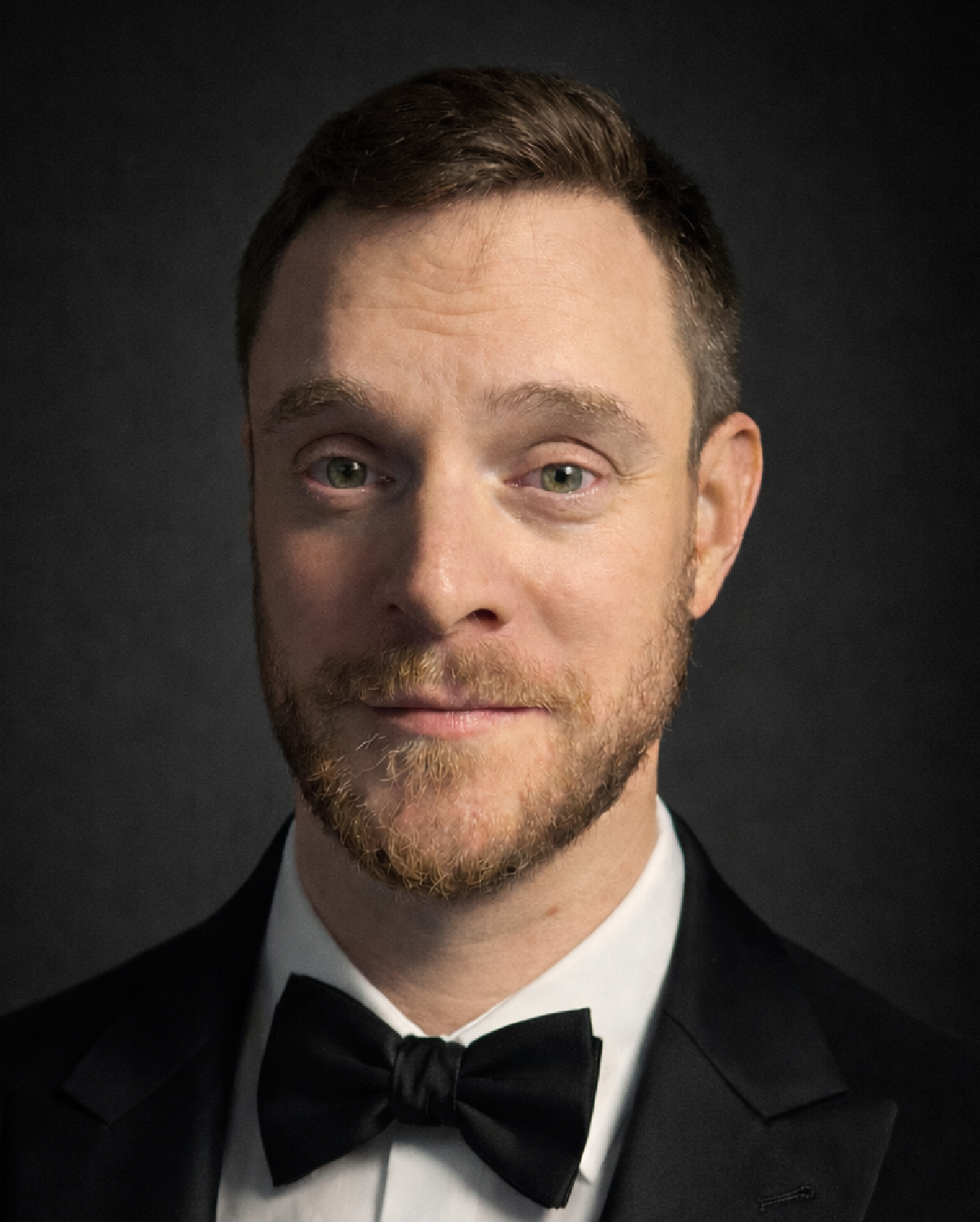
Steven Soph, tenor
Praised as a “superb vocal soloist” (The Washington Post) with “impressive clarity and color” (The New York Times), tenor Steven Soph performs repertoire spanning the Renaissance through the present day. He has appeared as a soloist with the Cleveland Orchestra in Stravinsky’s Threni, Mozart’s Requiem, Handel’s Dettingen Te Deum, and Bach’s BWV 34; the Seattle Symphony in Handel’s Messiah; Philharmonia Baroque Orchestra in Bach cantatas; the Handel + Haydn Society in Handel’s Saul and Israel in Egypt; American Classical Orchestra in Bach’s Mass in B minor; and Apollo’s Fire as Evangelist in Bach’s Christmas Oratorio. In demand as a Bach Passion Evangelist, he recently performed the role with Gloriae Dei Cantores, the Elmhurst Symphony, Abendmusik, and the Bach Society of St. Louis. Steven collaborates frequently with leading vocal ensembles, including GRAMMY Award-winning Conspirare, GRAMMY-nominated True Concord Voices & Orchestra and Seraphic Fire, Santa Fe Desert Chorale, Yale Choral Artists, Ensemble Altera, Aeternum, and Bach Vocal Artists, and has toured with GRAMMY Award-winning Roomful of Teeth. Festival appearances include the Utrecht Early Music Festival and Festival Laus Polyphoniae with Cut Circle, along with the Oregon, Baldwin Wallace, and Winter Park Bach Festivals. He holds degrees from the University of North Texas and the Yale School of Music. www.stevensoph.com
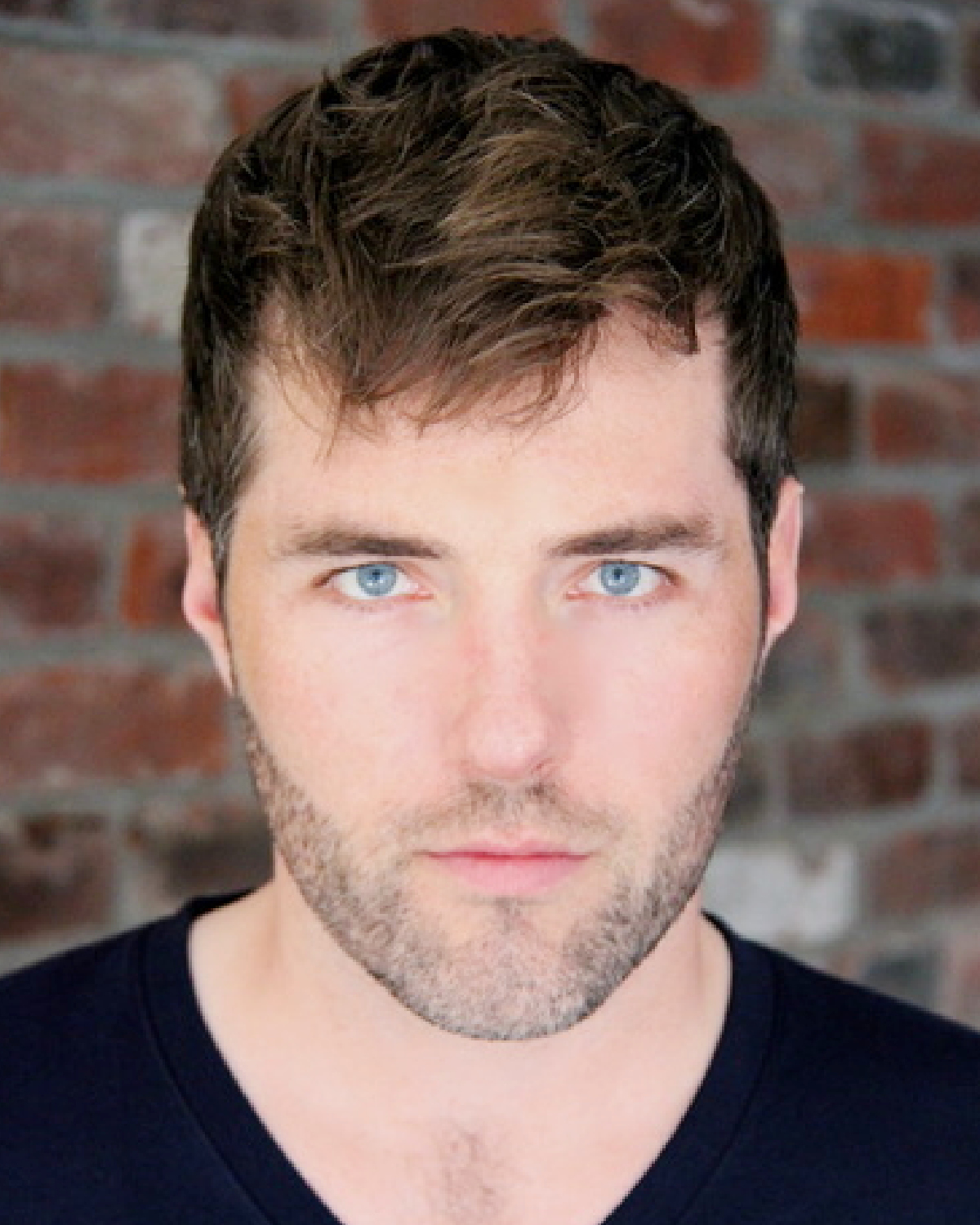
Oliver Mercer, tenor
Hailed as “excellent” and “particularly impressive” by the New York American/British tenor Oliver Mercer sought after for his interpretations of the Baroque as both a soloist and ensemble singer. Oliver has performed with Glyndebourne Festival Opera, Spoletto Festival USA, Boston Early Music Festival, Opera Theater Company Ireland, English National Opera, Trinity Wall Street, The Folger Consort, Clarion Music Society, The Thirteen and The Orchestra of the Age of Enlightenment. He has appeared as a soloist at Carnegie Hall, Lincoln Center, the Barbican, Washington National Cathedral, the Kennedy Center, and Royal Albert Hall. A specialist in the works of Handel, in addition to the tenor solos in Messiah, Oliver has also performed the roles of Jeptha, First Elder in Susannah, and Acis in Acis and Galatea . He is also a frequent performer of the music of J.S. Bach, having sung the evangelist and arias in both the Saint John and Saint Matthew Passion in over twenty performances spanning three continents. A career highlight has been over thirty performances of both the title role in Monteverdi’s setting of L’Orfeo and the tenor solos in his Vespro della Beata Vergine . French baroque highlights include productions of Rameau’s Castor and Pollux at English National Opera and Hippolyte et Arice and the title role in Charpentier’s La descente d’Orphée aux enfers at Glyndebourne Festival Opera.
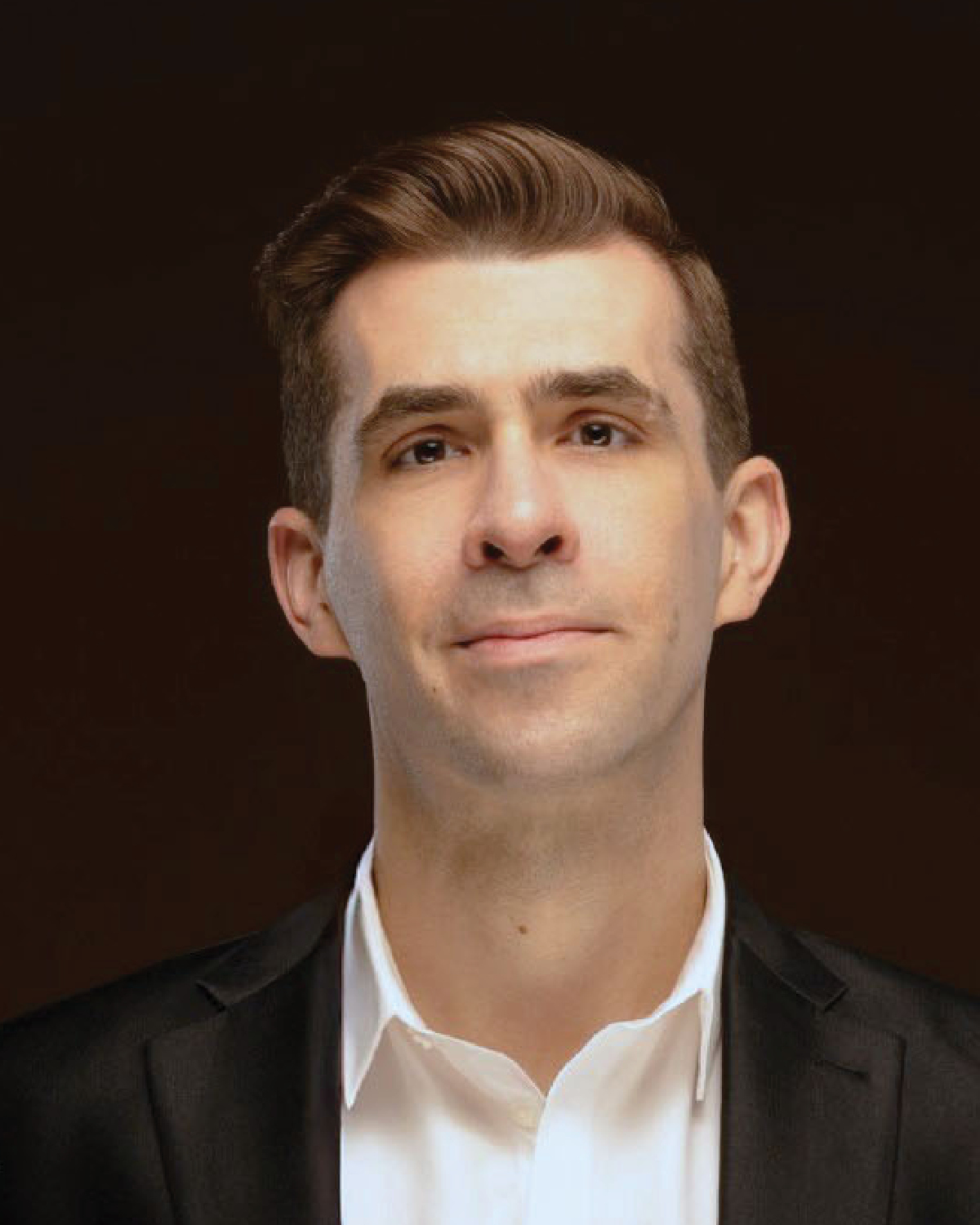
Edmund Milly, bass/baritone
Bass-Baritone Edmund Milly is sought after for his “annunciatory power” (New York Times), “perfect diction” (Los Angeles Times), and distinctive “delicacy and personal warmth” (Boston Classical Review). This season saw his solo debuts with the Baltimore Symphony (in Stravinsky’s Renard) and the Lancaster Symphony (in Handel’s Messiah). Other recent solo engagements include Britten’s War Requiem with the Yale Symphony, Bach’s St. Matthew Passion with the Washington Bach Consort, Haydn’s Creation with Princeton Pro Musica, and Vaughan Williams’ Five Mystical Songs with the Baltimore Choral Arts Society. In 2024 he was nominated for a GRAMMY award as a soloist on Benedict Sheehan’s Akathist.
Learn More
Since his Lincoln Center debut as Jesus in Bach’s St. John Passion with Yale Schola Cantorum, Edmund has been frequently engaged as a soloist in Bach’s Passion settings and has also performed over 100 of Bach’s cantatas. Edmund “stole the show” (Seen and Heard International) in his Bachfest Leipzig debut in 2024, and cherishes his work with organizations committed to Bach’s music, including the Bach Choir of Bethlehem, Gamut Bach Ensemble, and Cantata Collective.
A veteran of the U.S. Army Band “Pershing’s Own,” Edmund has been a soloist at the White House, the Pentagon, and the U.S. Supreme Court. Edmund often performs alongside his wife, mezzo-soprano Sylvia Leith.
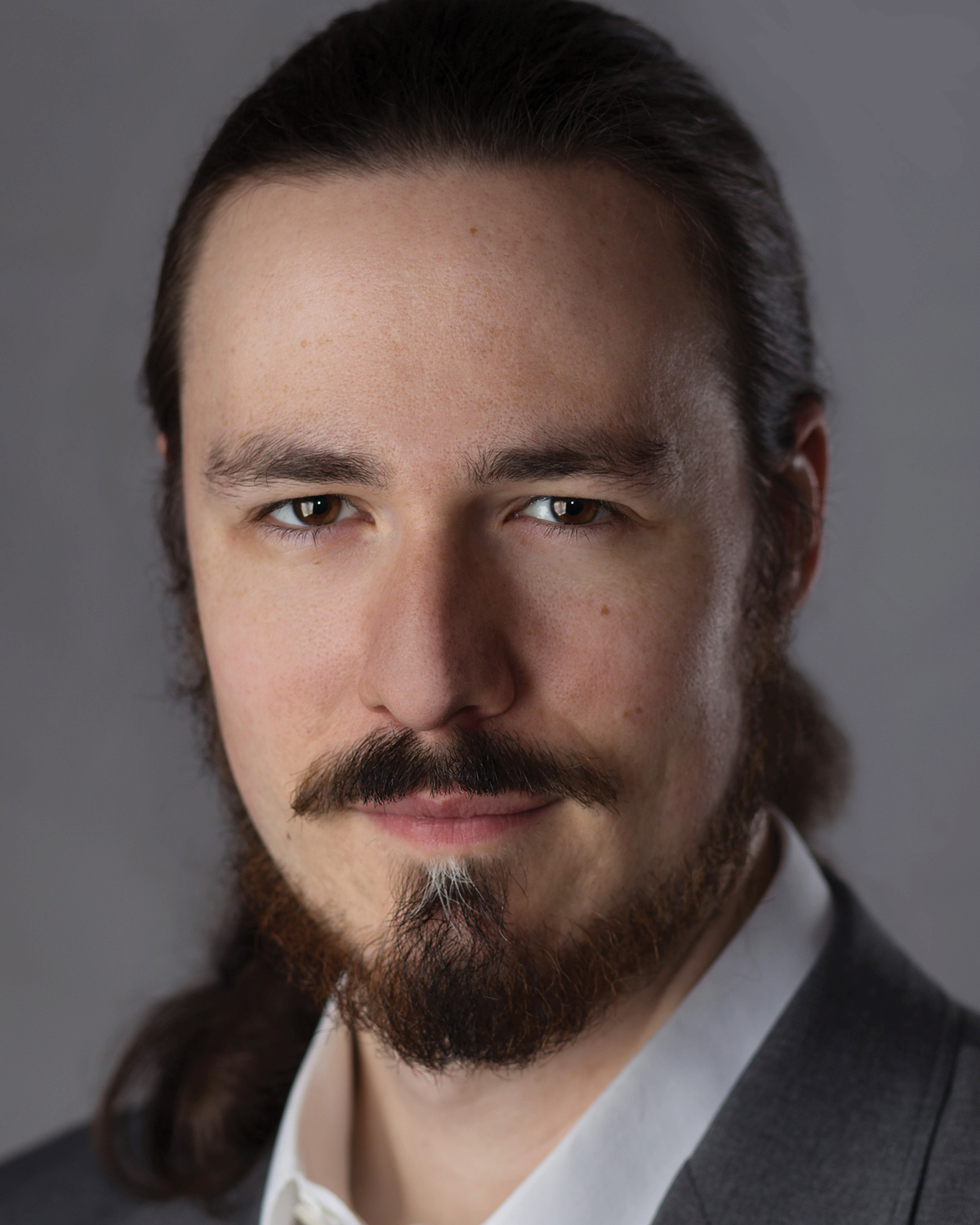
Daniel Fridley, bass
Bass vocalist Daniel Fridley resides in the Boston area using his “spotless, resonant bass” (Cleveland Classical) as a virtuosic vehicle suited to a wide range of musical styles. He performs a variety of genres, specializing primarily in the music of the Baroque and Classical periods. He also performs in the ensembles of Blue Heron, Boston Baroque, Culomba, Upper Valley Baroque, the Newberry Consort, and many others.
Learn More
As an educator, Fridley teaches students of all ages and aspirations, sharing his love for music as a professor of voice at Middlesex Community College as well as at Endicott College.
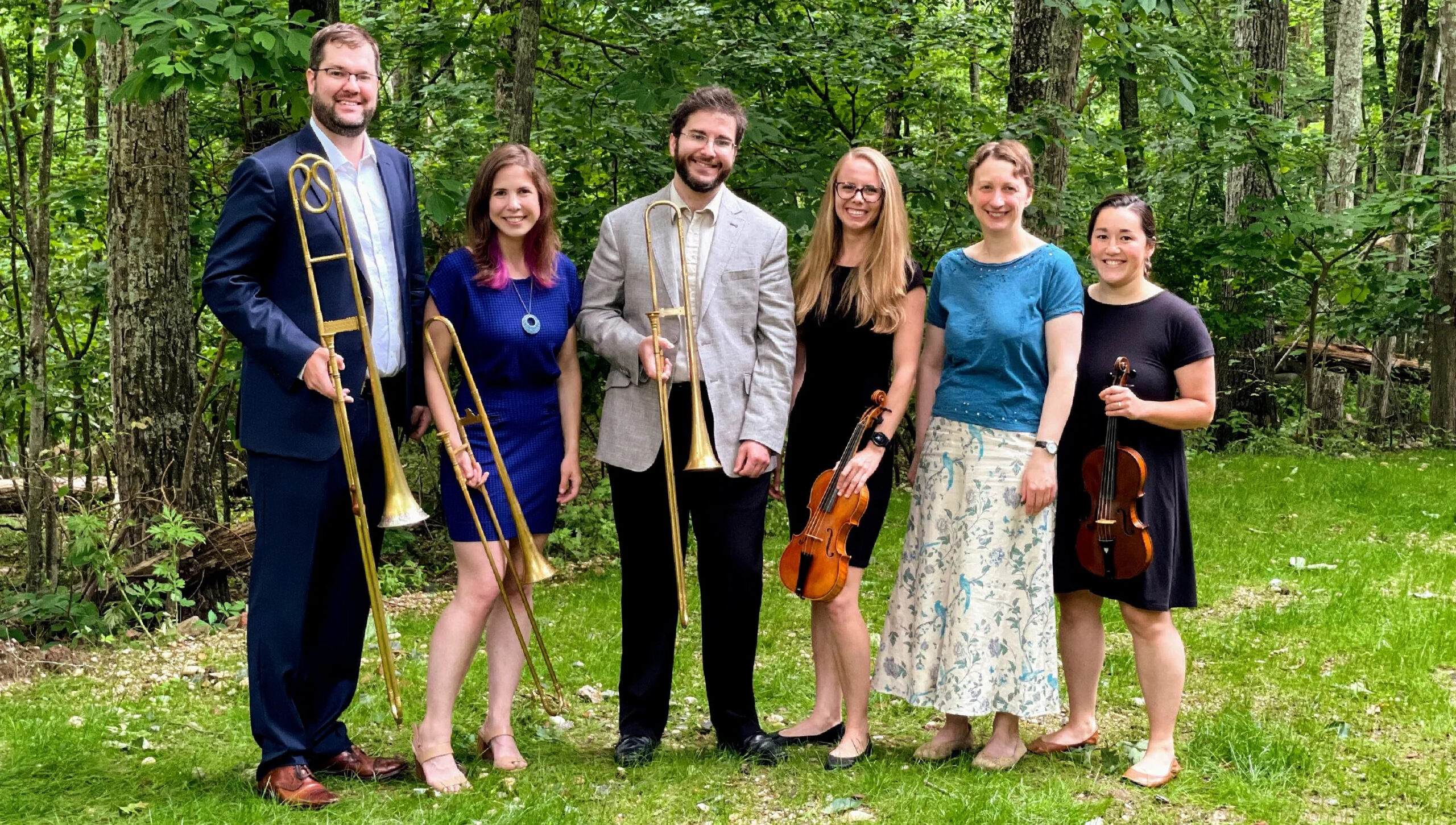
Incantare
Incantare’s concerts highlight the musical and cultural connections of under-explored musicians from the Renaissance and early Baroque periods, especially music by composers, singers, and instrumentalists from marginalized communities in early modern Europe. Incantare’s unique programs reflect a mission to discover, research, transcribe, and perform works that may not have been heard since their conception.
Incantare debuted to enthusiastic crowds at the 2018 Twin Cities Early Music Festival, where they were chosen as one of “the week’s five best Twin Cities classical concerts” by the Star Tribune. Since then, they have performed programs throughout the United States. Appearances among many include Pittsburgh’s Renaissance and Baroque series with Chatham Baroque, the Housewright Virtuoso Series in Tallahassee, the Madison Early Music Festival, and the International Trombone Festival, where they were praised for their “beautiful and cohesive sound.” Incantare’s EXILE program, currently touring throughout the U.S., was recognized as an “innovative project” by the Paul R. Judy Center for Innovation and Research, and EMAg, the Magazine of Early Music America, reported that audiences have left the ensemble’s concerts “with a sense of awe.”
The consort of sackbuts and violins has a long history and a unique sound that incorporates the vocal qualities of both instruments while retaining each of their distinct timbres, making it the perfect medium for performing the beautiful works from the Renaissance and early Baroque periods. The name “Incantare,” a play on words that means “to enchant” in Italian and “to sing” in Latin, links directly to the ensemble’s mission as early instrumentalists. Incantare seeks to enchant, charm, hypnotize, and spellbind by singing through their instruments.
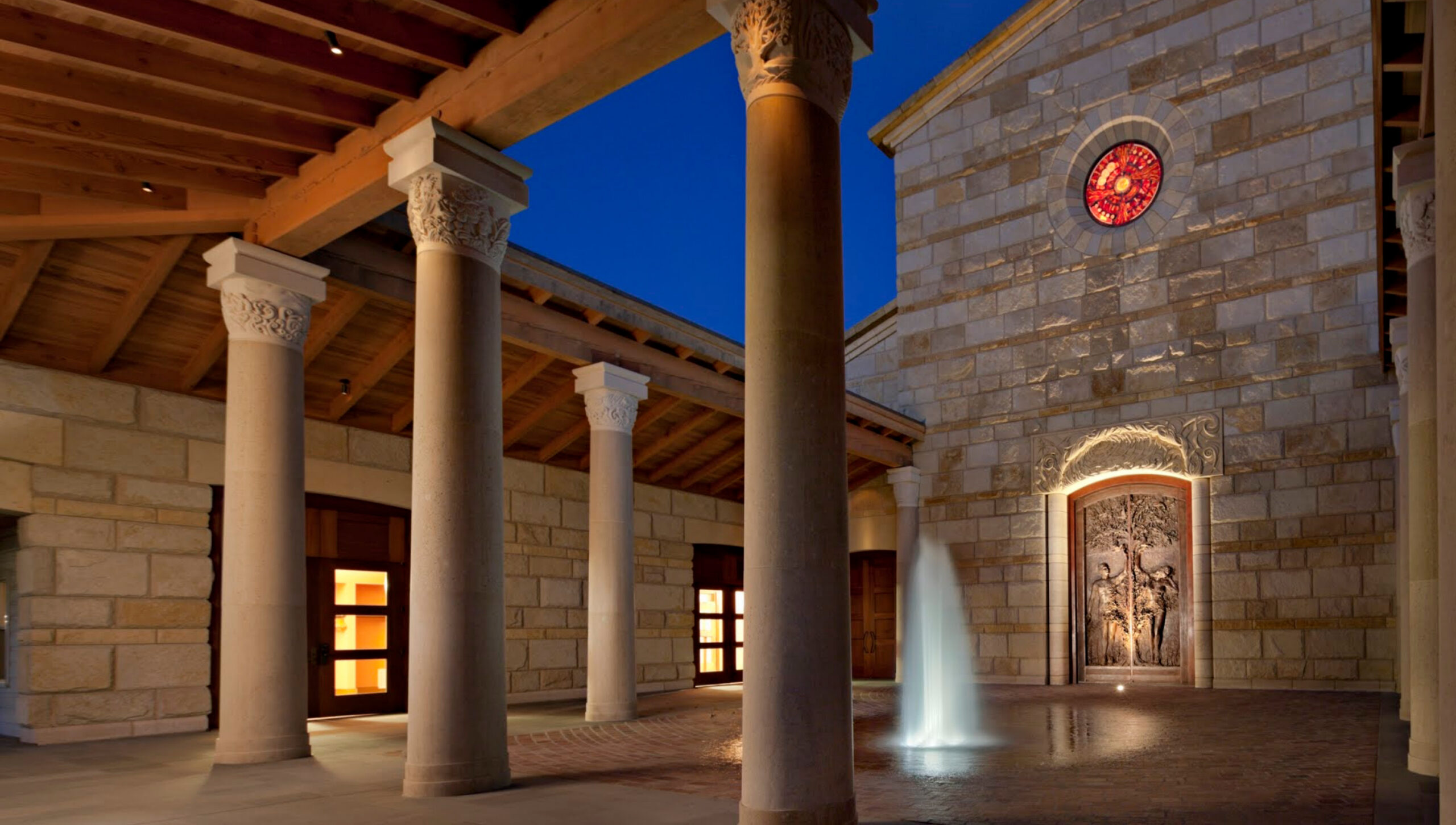
Schola Ecclesia
The Schola Ecclesia is made up of singers from the Church of the Transfiguration, steeped in the study, daily practice and performance of Gregorian Chant, considered a musical icon of the Word of God. The Church community preserves and strengthens this unique form of sung prayer as a living tradition, chanting the Liturgy of the Hours and the Ordinary and Proper of the Eucharist. From the earliest roots of the Christian faith, chant is still considered equally relevant to the modern, ecumenical monastic life.
Years of study with Dr. Mary Berry, CBE, founder of the Schola Gregoriana in Cambridge, England, and the monks of St. Peter’s Abbey in Solesmes, France, also contribute to the Schola’s passion for Gregorian chant as a vibrant and living form of sung prayer. The Schola also conducts chant workshops and retreats.