
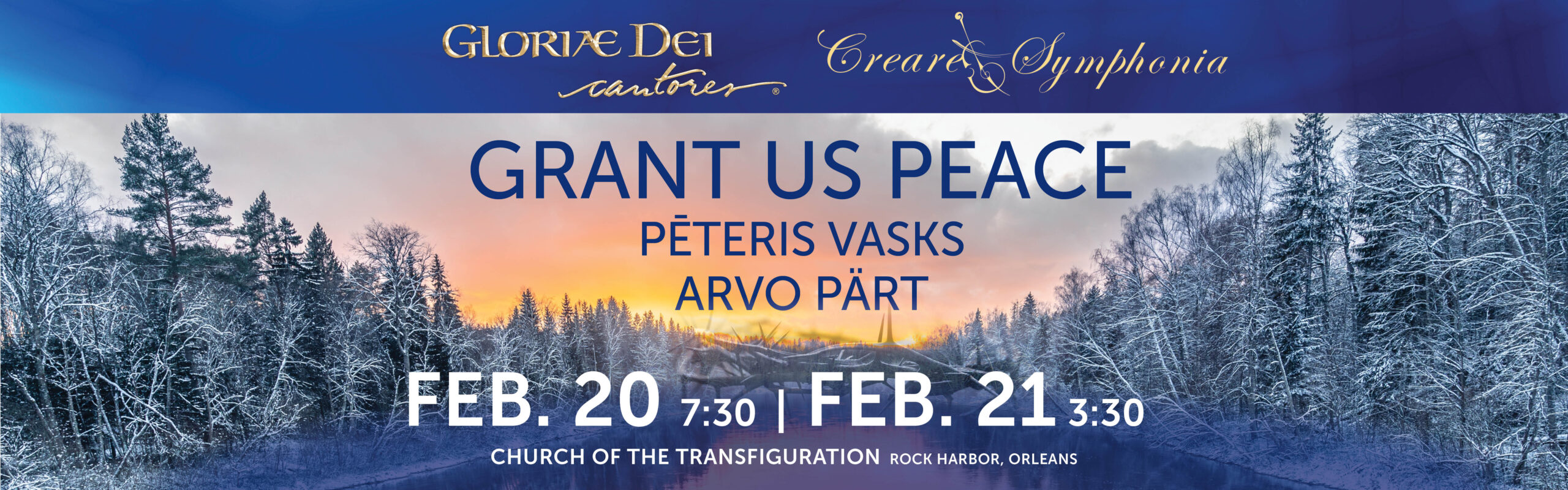
Concert Program Includes:
L’abbé Agathon, Arvo Pärt (b. 1935)
Musica serena, Pēteris Vasks (b. 1946)
Da pacem, Domine, Vasks
Prayer (“Lord, open our eyes”), Vasks
The Fruit of Silence, Vasks
The fruit of silence is prayer.
The fruit of prayer is faith.
The fruit of faith is love.
The fruit of love is service.
The fruit of service is peace.
Mother Teresa
Tickets:
$45 General; $40 Seniors; Free for Students & Youth
Ask about Group Rates (6+) and “Create your own Season” ticket package!
Call 508-240-2400, or purchase below
Tickets February 21, 2026
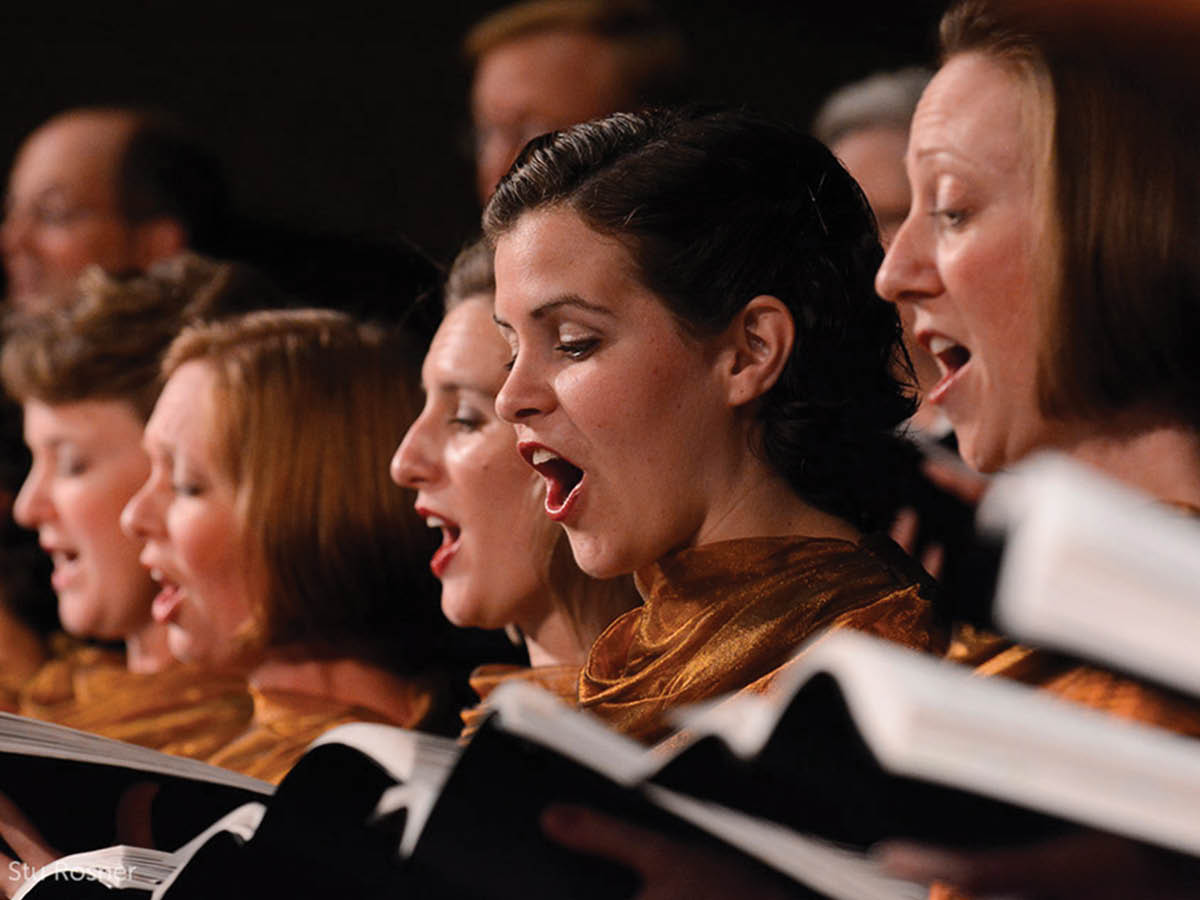
Gloriæ Dei Cantores
Gloriæ Dei Cantores (Singers to the Glory of God) holds a passionate dedication to illuminate truth and beauty through choral artistry, celebrating a rich tradition of sacred choral music from Gregorian chant to the twenty-first century.
Founded in 1988, Gloriæ Dei Cantores from Orleans, MA, under the direction of Richard K. Pugsley, has touched the hearts of audiences in 23 countries in Europe, Russia, and North America, receiving extensive critical acclaim for its artistic elegance, performance authenticity, and compelling spirituality.
Learn More
Distributed in the United States and internationally by Naxos and Gloriae Dei Cantores Recordings, the choir’s discography of over 50 recordings showcases their extensive repertoire, encompassing both masterworks and rarely performed musical treasures from Gregorian chant to the 21st century.
Highlights of the choir’s career include three invitational tours of Russia, opening the 900th anniversary of St. Mark’s Basilica in Venice, Italy, live radio and television broadcasts with the BBC, film soundtracks, the tree-lighting ceremony at Rockefeller Plaza, and performances in some of the finest concert halls throughout Europe and the United States.
Gloriæ Dei Cantores makes its home at the Church of the Transfiguration in Orleans, MA, where the choir sings weekly worship services, concerts, and recordings throughout the year. The members’ ongoing life of worship – Sunday Eucharist, Choral Evensong and Liturgy of the Hours in Gregorian chant – is the foundation of the choir’s artistry, enabling their extensive repertoire to become a vibrant form of prayer in any setting. Their music conveys “a kind of utter, rapt, spiritual intensity, that you simply can’t imagine unless you’ve experienced it for yourself.” (American Record Guide)
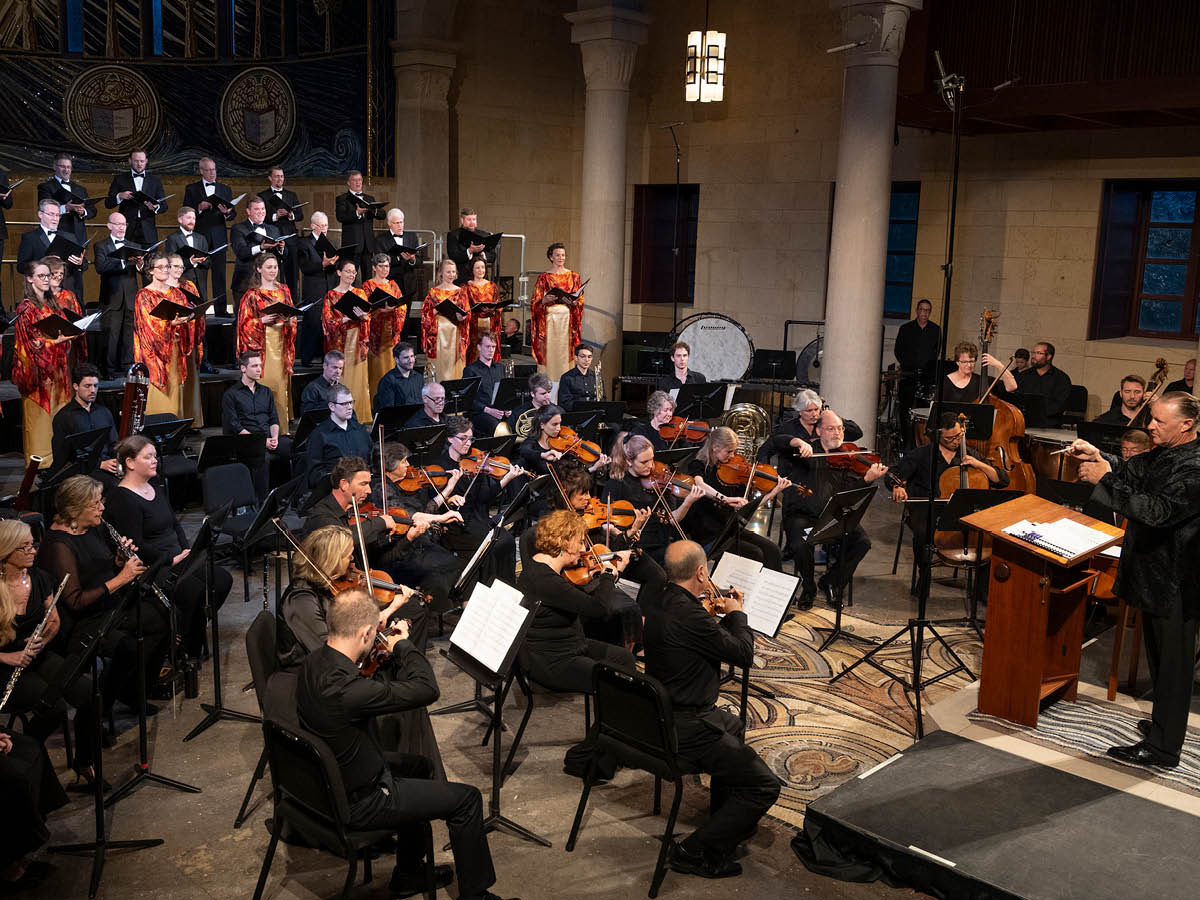
Creare Symphonia
Arts Empowering Life’s resident orchestra, has been hailed for its “gorgeous music … played beautifully” (Boston Musical Intelligencer.) The ensemble, made up of AEL Artists and contracted freelance professionals from around the globe, performs year-round on Cape Cod. They collaborate closely with the choir, Gloriae Dei Cantores, under the baton of Richard K. Pugsley.
Learn More
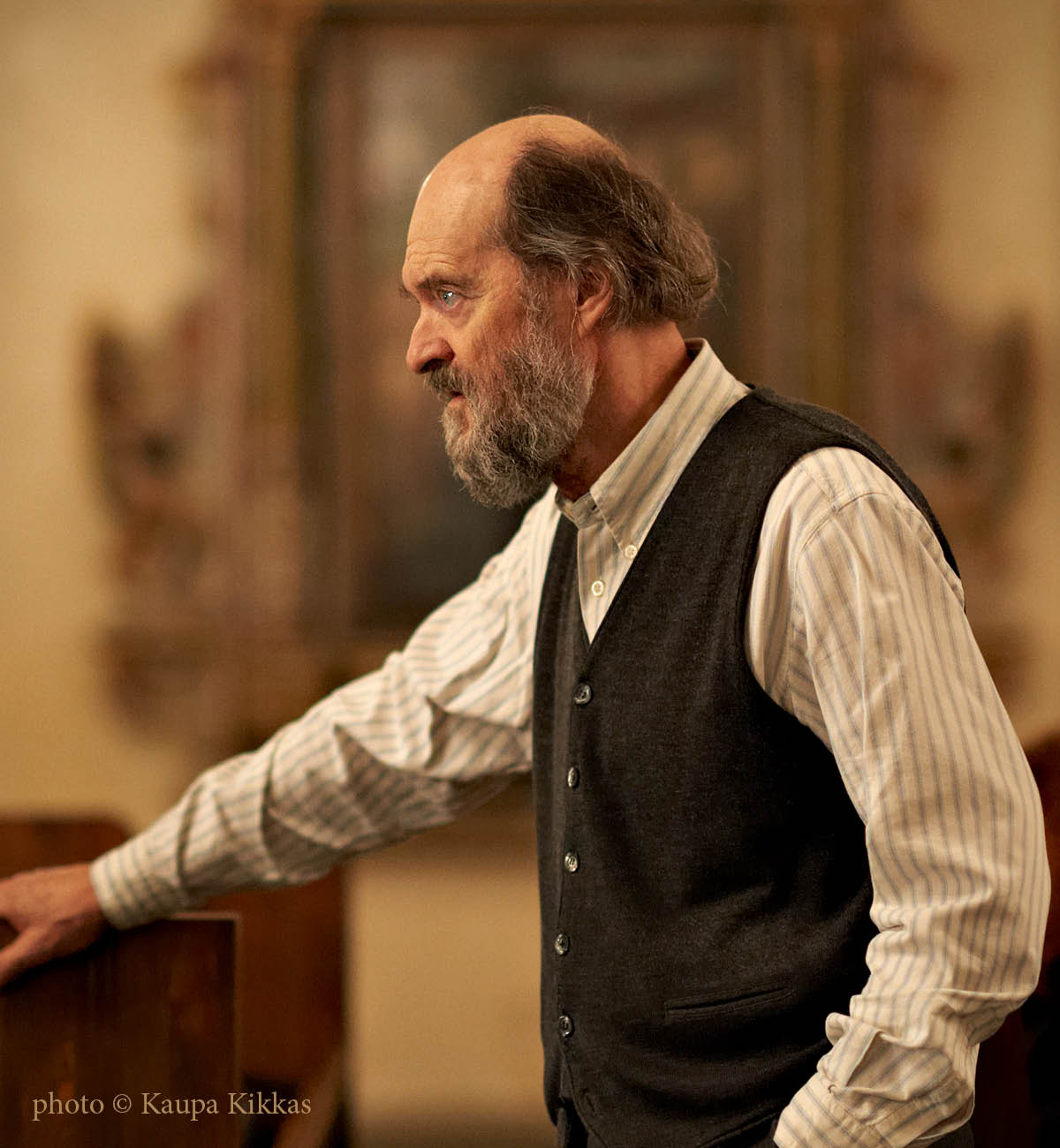
Arvo Pärt
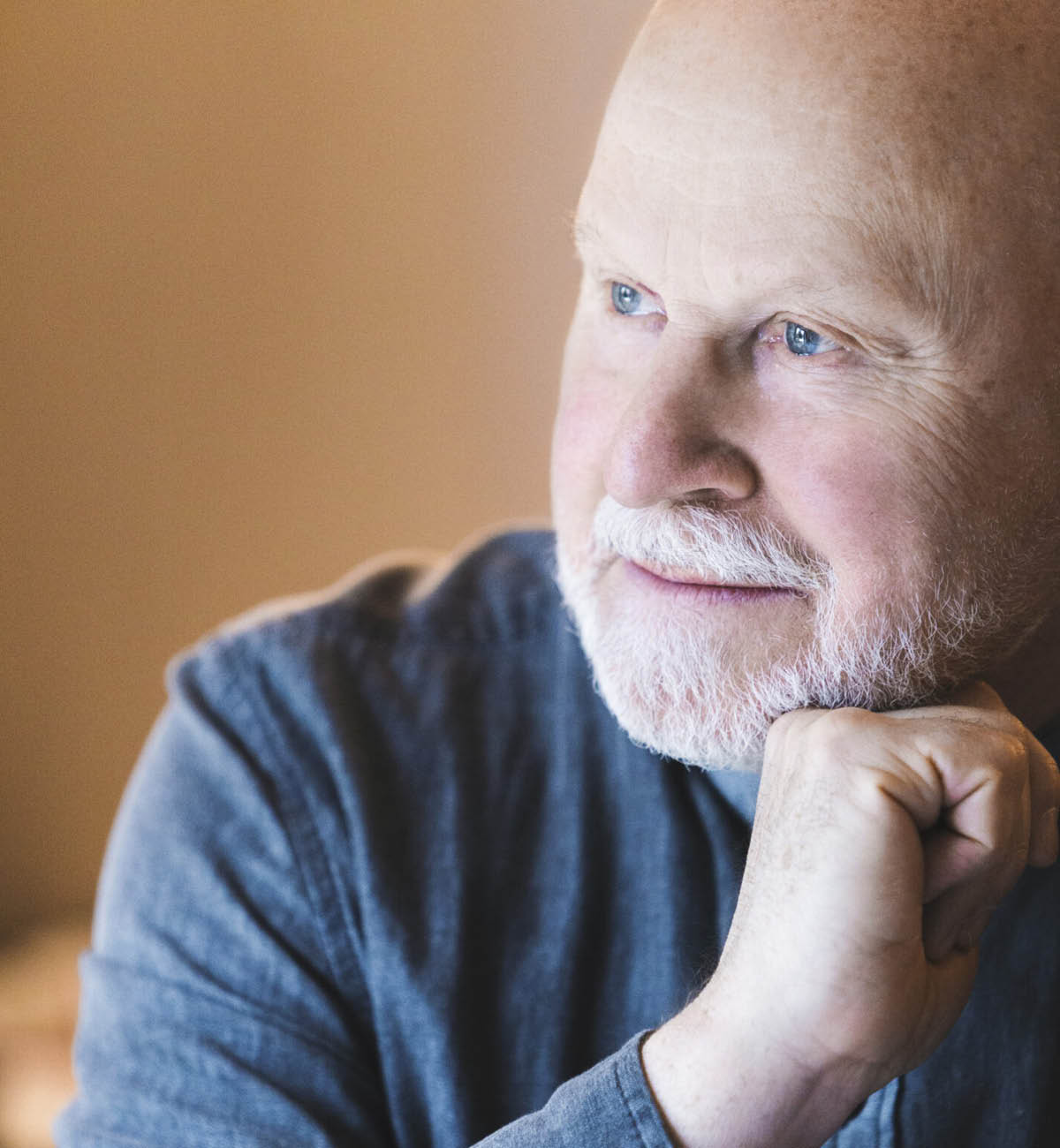
Arvo Pärt’s music is deeply rooted in his profound faith and aims to touch the soul. Modest about his achievements yet authentically convinced about the role of his music in today’s world, Estonian Arvo Pärt (b. 1935) is the world’s most performed living “classical” composer. (This top spot has been shared off and on with John Williams!) Pärt’s compositions reflect his exposure to multiple traditions and global influences – the music of the Orthodox Church, bells, Gregorian chant, Renaissance polyphony, a compositional technique he developed called “tintinnabuli”, and…silence.
“Music is my friend, ever-understanding. Compassionate. Forgiving, it’s a comforter, the handkerchief for drying my tears of sadness, the source of my tears of joy. My liberation and flight. But also, a painful thorn in my flesh and soul, that which makes me sober and teaches humility.” Arvo Pärt
The fruit of silence is prayer.
The fruit of prayer is faith.
The fruit of faith is love.
The fruit of love is service.
The fruit of service is peace.
Mother Teresa
Pēteris Vasks
Latvian composer Pēteris Vasks (b. 1946) is considered a “spiritual relative” of Arvo Pärt. His music provides listeners with “food for the soul,” music that reflects suffering and a longing for hope, inner freedom, silence, light, and faith. Latvian folk music, the struggle between good and evil, and the sounds of nature—birds, the sky and sea— are important influences on his work which conveys a profound spiritual power.
“I want to tell people about beautiful ideals, high goals, show them that there is not only the drab every day, that there is more than mere pessimism… Every honest composer searches for a way out of the crises of his time… Perhaps my music contains sadness, but it also contains a great deal of optimism and idealism. Beauty and harmony are rare in life, but in music they are possible. I go through pessimism finally to confirm at the end that I say ‘Yes’ until my last breath to the beauty of the world.” Pēteris Vasks